
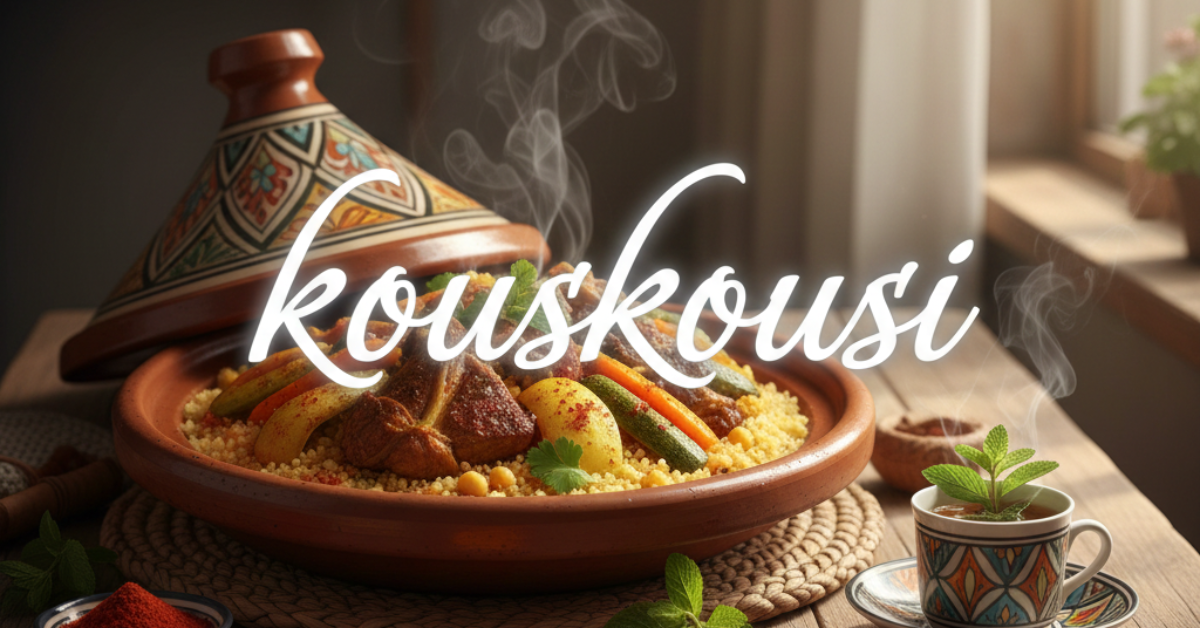
Kouskousi Uncovered: Ultimate Guide, Benefits & Origins
Introduction to Kouskousi
Kouskousi is more than just a dish; it’s a culinary journey steeped in rich tradition and cultural significance. As you dive into the world of Kouskousi, you’ll discover its tantalizing flavors and textures that have captivated taste buds for generations. Originating from North Africa, this versatile dish has made its way across borders, bringing with it stories of heritage and community.
In every bite of Kouskousi lies a delicious blend of history and nutrition. Whether you’re looking to spice up your dinner routine or explore new dietary options, this remarkable staple offers an array of benefits worth savoring.
Join us as we unravel the meaning behind Kouskousi, unveil a classic Moroccan recipe, and delve into the health perks that make it irresistible!
What is Kouskousi and its Cultural Origins?
Kouskousi, a delightful dish made from steamed semolina wheat, holds a special place in North African cuisine. Its origins trace back centuries to the Berber communities of Morocco and Algeria, where it was traditionally served during communal gatherings and celebrations.
The preparation method reflects a deep cultural significance. Kouskousi is often accompanied by rich stews filled with vegetables and meats, creating a harmonious blend of flavors. The art of making kouskousi has been passed down through generations, with each family adding their personal touch.
In Moroccan culture, sharing kouskousi represents hospitality and togetherness. It’s not just food; it’s an experience that fosters connection among friends and family. This dish embodies the spirit of community while celebrating diverse culinary traditions across the region.
READ MORE: Florncelol: The Ultimate Power Guide to Benefits, Uses & Safety
The Popular Moroccan Recipe for Kouskousi
Kouskousi shines brightly in Moroccan cuisine. This dish is a staple, often served during gatherings and special occasions. The preparation method reflects both tradition and love.
To create authentic kous-kousi, start with semolina wheat. Soak it lightly before steaming it until fluffy. A touch of olive oil or butter adds richness to the grains.
The real magic happens with the accompanying ingredients. Tender vegetables like carrots, zucchini, and chickpeas are commonly included. For those who enjoy meat, lamb or chicken can elevate the flavors significantly.
Spices play a crucial role as well cumin, coriander, and saffron bring warmth to each bite. Garnishing with fresh herbs enhances its aroma and presentation.
The beauty of kouskousi lies in its versatility; every family has their own twist on this beloved recipe that tells its unique story through flavor.
Health Benefits of Kouskousi
Kouskousi is more than just a delicious dish; it’s packed with health benefits. A great source of carbohydrates, it provides the energy you need to power through your day.
It’s often made from whole grains, which means you’re getting essential nutrients like fiber, vitamins, and minerals. This high fiber content aids digestion and helps maintain a healthy gut.
Loaded with antioxidants, kouskousi can support your immune system. These compounds fight off free radicals in the body, promoting overall well-being.
Additionally, when paired with vegetables or lean proteins like chicken or fish, kouskousi creates a balanced meal rich in protein and micronutrients. It’s perfect for those looking to manage their weight while still enjoying flavorful food.
Incorporating this versatile ingredient into your meals can lead to various health advantages that keep you feeling vibrant and nourished.
Variations of Kouskousi Across Different Cultures
Kouskousi, while primarily associated with North African cuisine, has inspired diverse variations worldwide. Each culture adds its unique twist to this beloved dish.
In Italy, for instance, you might encounter a version known as “cuscus.” Here, it’s often paired with seafood or vegetables and cooked in rich tomato sauces.
Moving eastward to the Middle East, kouskousi transforms again. It frequently features spices like cumin and is served alongside grilled meats or roasted vegetables.
Even in parts of Latin America, there’s a growing appreciation for kouskousi. Some culinary enthusiasts experiment by incorporating local ingredients such as corn and beans into their recipes.
These adaptations showcase not just regional flavors but also the universal love for this versatile grain. No matter where it’s found on the globe, kouskousi continues to evolve while retaining its comforting essence.
How to Incorporate Kouskousi into Your Diet
Incorporating kouskousi into your diet can be a delightful culinary adventure. Start by using it as a base for various dishes. Serve it alongside grilled vegetables or meats to absorb flavors and add texture.
You can also mix kous-kousi with salads for a nutritious twist. Toss it in with fresh herbs, tomatoes, and cucumbers. A drizzle of olive oil enhances the dish beautifully.
For breakfast, consider making a sweet version of kouskousi. Combine it with honey, nuts, and dried fruits for an energizing start to your day.
Experimenting is key! Use kouskousi in soups or stews; its versatility shines through when paired with rich broths.
Don’t hesitate to try different spices too—cinnamon or cumin can elevate your meal significantly while maintaining cultural authenticity.
Conclusion
Kouskousi is not just a dish; it’s a celebration of culture and tradition. With its roots deeply embedded in North African history, this delightful meal has traveled far and wide, evolving with each region it touches. Whether you’re savoring the aromatic spices in a traditional Moroccan recipe or experimenting with modern variations, kouskousi offers something for everyone.
The health benefits associated with kous-kousi further enhance its appeal. Packed with essential nutrients and fiber, it serves as a wholesome addition to any diet. You can easily incorporate it into your meals—be it as a side dish or the main event—making every dining experience flavorful and nutritious.
As you explore the diverse interpretations of kous kousi across cultures, you’ll discover that this humble grain unites people through shared flavors and traditions. Embrace the versatility of kouskousi in your own kitchen and enjoy both its rich heritage and nourishing qualities today!
READ MORE: TRUE REALTY VALUE