Blox Fruit Values: What I Learned After Getting Scammed on My First Big Trade
The first time I tried trading in Blox Fruits, I gave up my Kitsune for a “Dragon plus extras” deal that turned out to be a physical Dragon worth way less than what I’d handed over. I didn’t check a value list, I didn’t ask around in the trade hub. I just trusted the other player’s word. That mistake taught me more about Blox Fruit values than any guide could have, and it’s exactly why I now check values before every single trade, no exceptions.
The Problem: Most Players Trade Blind
In Blox Fruits, the price you pay at the in-game dealer has almost nothing to do with what a fruit is actually worth in the trading community. A fruit that costs 1 million Beli from the dealer might trade for 50 million or more, depending on demand. This gap is exactly where new players get taken advantage of:
- Trading based on “gut feeling” instead of actual market consensus
- Not knowing the difference between physical and permanent fruit values
- Getting talked into “uneven” trades that sound fair but aren’t
- Ignoring demand a fruit can be rare but still hard to trade if nobody wants it
Without understanding how values actually work, every trade becomes a gamble instead of a decision.
My Experience: Learning the Value System the Hard Way
After that bad Kitsune trade, I started paying attention to what experienced traders in my server were actually doing. The first thing I learned was that physical and permanent fruits are not remotely the same asset. A physical fruit disappears the moment you eat another one or die, while a permanent (Robux-purchased) fruit stays on your account forever which is exactly why permanent versions trade for significantly more.
I also learned that value lists aren’t official they’re built by the trading community itself, based on thousands of real trades and constant adjustments after every update. Once I started cross-checking multiple community value lists before trading instead of relying on one player’s opinion, I stopped getting lowballed, and I started spotting good deals other people were missing.
Understanding Blox Fruit Values in 2026 (Solution + Tips)
1. Physical vs. Permanent Values
This is the single most important distinction in Blox Fruits trading. Physical fruits are consumable you get them from the dealer, spawns, Factory raids, or trades, and they vanish if you eat something else. Permanent fruits, purchased with Robux, stay in your inventory forever and can be re-equipped anytime without losing them.
Because of that permanence, perm values run dramatically higher than physical ones. At the very top tier fruits like West Dragon, Kitsune, and Tiger permanent versions typically trade for around 3 to 3.5 times the physical value. But at lower tiers, that gap can widen to 40–100 times the physical price, simply because almost nobody bothers buying a permanent version of a weak fruit, making it extremely scarce when someone actually wants one.
Tip: Never assume a “perm” offer and a “physical” offer of the same fruit are equal always check which version is actually being traded before agreeing to anything.
2. What’s Actually at the Top of the Meta Right Now
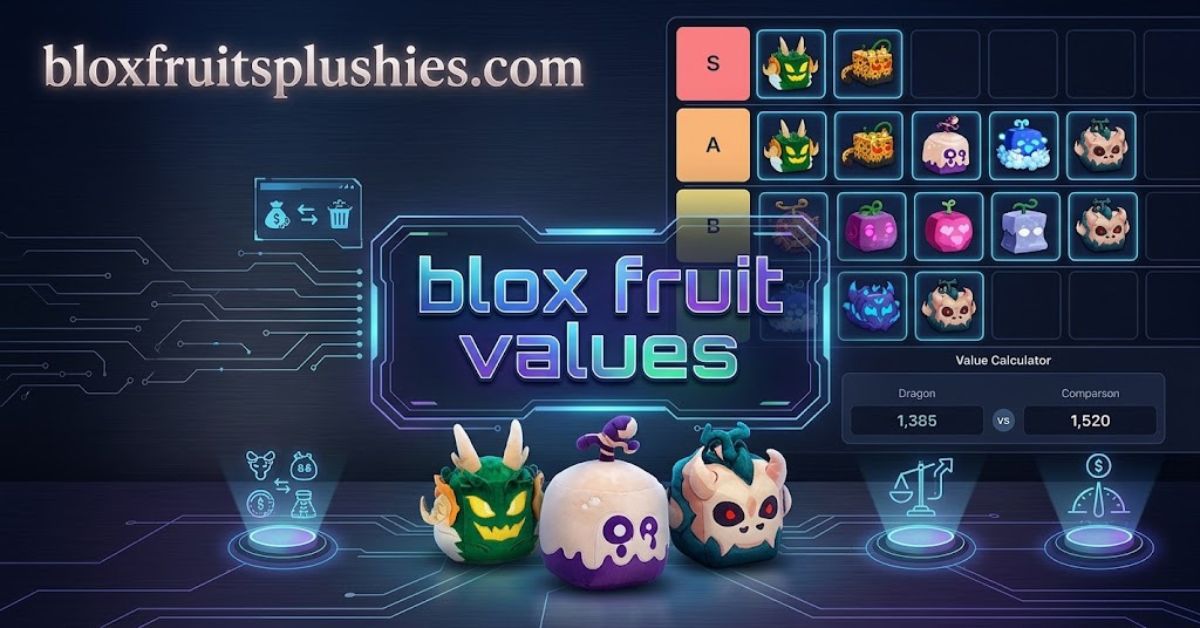
As of the current Update 29.5 meta, the Dragon rework reshuffled the entire top of the value list. West Dragon and East Dragon now sit at the very top, with values that put them far ahead of nearly everything else in both Beli worth and trading demand. Kitsune remains close behind as a long-standing “king of value” pick, and fruits like Leopard, Tiger, and Gas round out the current S-tier group.
Tip: Don’t assume last year’s “best fruit” is still the best fruit reworks like Dragon’s can completely flip the trading hierarchy overnight.
3. Why Demand Matters as Much as Rarity
A fruit can technically be rare and still not hold strong trade value if demand for it is low. On the flip side, some fruits with relatively low Beli prices like Portal have climbed to extremely high demand after gameplay reworks opened new combo potential, pushing their trade value far above their base price.
Tip: Always check a fruit’s demand rating, not just its rarity tier a “rare” fruit with low demand can actually be harder to trade than a common one everyone wants.
4. Power Tier and Value Tier Are Not the Same Thing
One mistake I used to make was assuming the strongest PvP fruit was automatically the most valuable trading fruit. That’s not always true. A fruit’s power tier measures how it performs in combat, while its value tier measures what someone will actually pay for it
and those two rankings can diverge. Leopard is a good example: even after losing its top PvP spot to newer fruits, its trade value has stayed close to S-tier because trading demand hasn’t caught up to the power shift yet.
Tip: Before trading, check both the power ranking and the value ranking separately a fruit can be a great trade even if it’s no longer the top combat pick.
Real Example: How Checking Values Changed My Trades
A few months after my bad Kitsune trade, I was offered a Leopard for my physical Dragon in what the other player called an “even trade.” Instead of accepting on the spot like I used to, I checked a current value list and ran the trade through a calculator first.
It turned out Dragon, post-rework, was worth noticeably more than Leopard at that point the trade wasn’t close to even. I countered by asking for Leopard plus additional Beli to balance the gap, and the other trader agreed almost immediately, which told me they knew the trade was uneven too and were hoping I wouldn’t check.
That single habit checking values before agreeing to anything turned what would’ve been another bad trade into a fair one, and it’s the exact system I now use every time.
FAQs
Q1. Why is a fruit’s dealer price so different from its trading value?
The dealer price is a fixed developer-set cost, while trading value is set entirely by community demand and rarity a low-cost fruit can still be extremely valuable if players want it badly enough.
Q2. What’s the difference between physical and permanent fruit value?
Physical fruits are consumable and disappear if you eat another fruit or die, while permanent fruits are Robux-purchased, stay forever, and are typically worth several times more due to that permanence.
Q3. Are Blox Fruit value lists official?
No, value lists are community-built consensus based on observed real trades, not an official in-game feature which is why it’s smart to cross-check more than one source before trading.
Q4. Does a fruit’s PvP power always match its trading value?
Not necessarily. A fruit’s combat performance and its trading value are ranked separately, and a fruit can remain highly valuable to trade even after losing its top spot in PvP rankings.
Q5. How often do Blox Fruit values change?
Values can shift week to week based on demand, while overall tier rankings tend to stay more stable between major game updates so it’s worth checking current values right before any trade rather than relying on memory.
Conclusion + Call to Action
Understanding Blox Fruit values isn’t about memorizing a fixed list it’s about knowing how physical versus permanent values work, checking current demand, and recognizing that power and trade value don’t always move together. The moment I started verifying values before every trade instead of trusting someone’s word, I stopped losing trades and started making genuinely good ones.