Blox Fruit Tier List: What Actually Belongs at the Top Right Now
I used to pick fruits based purely on rarity, figuring the rarest option had to be the strongest one. That assumption cost me weeks of slow progress with a fruit that looked impressive on paper but underperformed in actual fights. Once I started cross checking a proper blox fruit tier list against real gameplay instead of just going off rarity alone, my whole approach to picking and trading fruits changed. This guide breaks down where fruits actually stand right now, and why a good blox fruit tier list needs to account for more than just how rare something is.
Quick Answer
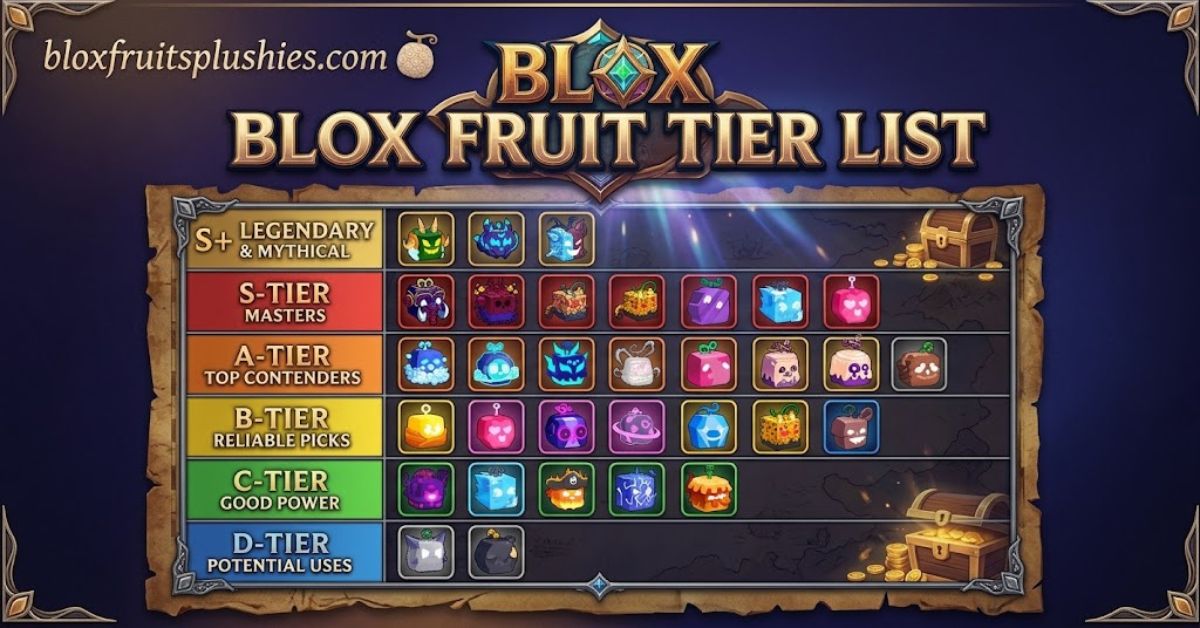
A blox fruit tier list ranks every Devil Fruit in Blox Fruits by overall strength, typically from S tier down to D or F tier, based on a combination of PvP performance, PvE grinding efficiency, trade value, and awakening potential. Right now, fruits like Dragon, Kitsune, Dough, Tiger, and Yeti consistently sit near the top across most current rankings, though exact placements shift with each balance patch.
The Problem: Not Every Blox Fruit Tier List Measures the Same Thing
Search for a blox fruit tier list and you’ll find several different rankings that don’t always agree with each other, and that disagreement isn’t necessarily a mistake. The confusion usually comes down to a few things:
- Some tier lists rank purely by trade value, which reflects rarity and demand more than actual combat strength
- Others rank by raw PvP power, ignoring how a fruit performs while grinding through waves of NPCs
- A fruit that’s S tier for bossing might be mediocre for PvP, and a blox fruit tier list that doesn’t separate these categories can be misleading
- Rankings go stale fast after balance patches, so a list from a few months ago may no longer reflect current performance
Treating any single blox fruit tier list as the final word, without checking what criteria it actually used, is how players end up chasing fruits that don’t fit what they actually need.
My Experience Comparing Rankings Against Real Gameplay
Once I started paying closer attention, I compared several current tier list sources against each other and noticed the same handful of fruits kept appearing near the top regardless of which specific list I checked, even when the exact ordering differed slightly. Dragon, Kitsune, Dough, Tiger, and Yeti showed up consistently across multiple independent rankings, which gave me more confidence in their placement than any single source alone would have.
What I also noticed is that recent balance changes have reshuffled things meaningfully. Fruits like Dough, Dark, Tiger, and Yeti received buffs in a summer patch, while Kitsune and Lightning saw nerfs or adjustments. A blox fruit tier list that hasn’t been updated since before that patch is going to overrate fruits that got weakened and underrate ones that got stronger.
Breaking Down the Current Blox Fruit Tier List (Solution and Tips)
1. Top Tier Fruits Right Now
Across multiple current sources, the fruits consistently placed at the very top include Dragon, Kitsune, Tiger, Dark, Gas, Dough, and Yeti. Dragon in particular gets repeatedly named as the strongest overall pick due to its damage, durability, mobility, and usefulness across nearly every endgame activity.
Tip: If you’re choosing between top tier fruits, don’t just grab whichever one a blox fruit tier list ranks highest overall. Check whether that specific fruit fits PvP, grinding, or bossing best, since the same fruit rarely dominates all three equally.
2. Trading Value Versus Combat Strength
Some fruits, like West Dragon, East Dragon, and Kitsune, sit at the top of trading focused rankings mainly because of extreme rarity and stable long term demand, not necessarily because they’re the single strongest fighters available.
Tip: If you’re trading based on a blox fruit tier list, confirm whether it’s ranking by market value or combat performance. These two things overlap often, but not always.
3. Solid Mid Tier Picks Worth Using
Fruits like Buddha, Venom, Leopard, and Soul consistently show up as strong A tier options, offering reliable performance without requiring perfect execution. Venom specifically gets praised repeatedly for consistent damage over time, both in PvE and against bosses.
Tip: Don’t dismiss A tier fruits just because they’re not S tier. Several of them, like Venom and Soul, reward players who take the time to learn their specific mechanics.
4. How Recent Balance Changes Shifted the Meta
The most recent significant shift came from a summer PvP balance update that buffed Dough, Dark, Tiger, Yeti, Phoenix, Quake, Spider, Ice, and Flame, while adjusting or nerfing Kitsune, Lightning, Control, and Pain. Any blox fruit tier list you check should reflect these changes.
Tip: If a tier list you’re reading still shows Kitsune or Lightning at the absolute top without acknowledging recent nerfs, treat it as outdated and look for a more recently updated source.
5. Newer Additions Worth Watching
Fiend, a Yeti mutation added in a recent update, has quickly become one of the more sought after fruits since its release, and Yeti itself earned an S tier spot following that addition.
Tip: Newly added fruits and mutations often get overhyped immediately after release. Give a new fruit a few weeks on a blox fruit tier list before assuming its placement is stable.
Real Example: How Checking Multiple Rankings Changed a Trade
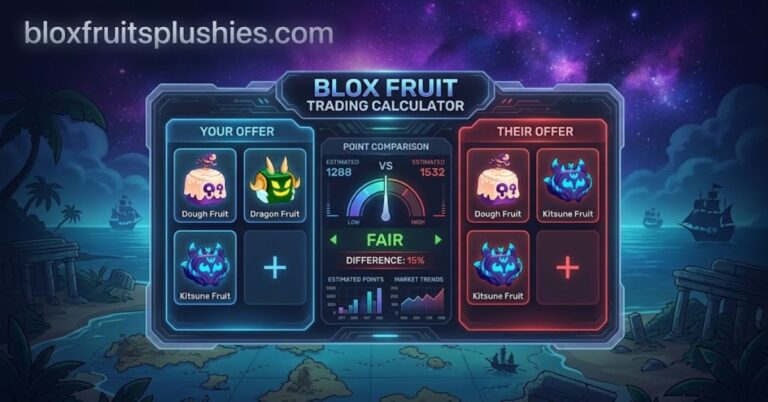
A friend of mine was deciding between trading for Kitsune or Dough, and initially leaned toward Kitsune purely because an older blox fruit tier list he found still listed it at the very top. After checking two more recent sources, both reflecting the summer balance patch, it became clear Kitsune had actually been adjusted downward while Dough had been buffed into a stronger overall position.
He ended up trading for Dough instead, and it noticeably outperformed what he expected based on that outdated list. The lesson wasn’t that Kitsune is bad, it’s that relying on a single, possibly outdated blox fruit tier list nearly led to a worse trade than checking multiple current sources would have.
Frequently Asked Questions
Q1. What is the best fruit on the current blox fruit tier list?
Dragon is consistently ranked as the strongest overall fruit across most current sources, thanks to its damage, durability, mobility, and usefulness across nearly every endgame activity.
Q2. Does a blox fruit tier list rank fruits the same way for PvP and grinding?
No, and a good tier list separates these categories. A fruit ranked S tier overall might not be the top pick specifically for PvP or specifically for bossing.
Q3. How often does the blox fruit tier list change?
It shifts with every major balance patch. A recent summer update alone buffed several fruits and nerfed others, which is enough to meaningfully reorder a tier list.
Q4. Should I trust trade value rankings the same way as combat rankings?
Not automatically. Trade value rankings reflect rarity and demand, which don’t always match up with a fruit’s actual combat performance.
Q5. Is a newly added fruit automatically top tier?
Not necessarily. New fruits and mutations, like the recently added Fiend, often get early hype before the community fully settles on their real strength, so it’s worth waiting a few weeks before trusting an early ranking.
Conclusion
A reliable blox fruit tier list needs to account for more than rarity or a single flashy stat, factoring in PvP performance, grinding efficiency, trade value, and how recent balance patches have shifted things. Right now, Dragon, Kitsune, Tiger, Dough, and Yeti sit consistently near the top, but that ranking will keep shifting as new updates land.