Blox Fruit Trading Calculator: How to Actually Stop Losing Trades (A Trader’s Honest Guide)
I still remember the trade that taught me to never “eyeball” a deal again I swapped my Permanent Dough for someone’s “high demand” Ghost fruit, feeling pretty smart about it, only to check a blox fruit trading calculator afterward and realize I’d taken a massive L. That one trade is why I never accept a deal anymore without running it through a calculator first. If you’re tired of that sinking feeling after a trade, this guide walks through exactly how to use a trading calculator properly, and the mistakes that get even experienced traders scammed.
The Problem: Blox Fruits Trading Is Full of Guesswork and Scams
Trading in Blox Fruits looks simple on the surface offer your item, see what they offer back, hit accept. But underneath that, there are a few consistent traps players fall into:
- Trusting a trader’s word instead of checking actual values (“trust me bro” trades)
- Confusing a fruit’s in-game purchase price with its real trade value — these are two completely different numbers
- Not accounting for demand, which can make a “lower rarity” item worth more than a rare one nobody wants
- Treating Permanent and Regular versions of the same fruit as equal, when they’re often worth billions apart
- Getting rushed by pressure tactics like “quick trade, I don’t have time”
None of these mistakes happen because players are careless — they happen because raw item rarity doesn’t tell you the whole story, and that’s exactly the gap a proper trading calculator is built to close.
My Experience: Learning to Actually Trust the Numbers
After that Dough-for-Ghost trade went badly, I started treating every trade the same way — no exceptions, no “just this once.” I’d list both sides of the deal, run it through a calculator, and only respond once I had an actual Win/Fair/Loss verdict in front of me.
What changed my results wasn’t just checking values — it was checking demand alongside value. I once almost declined a trade because the fruit I was offered looked “average” on a static value chart, but its demand score was through the roof. Turned out other traders were actively hunting for it, meaning I could re-trade it upward almost immediately. That’s when I understood that a trade isn’t fair just because the rarities match a common fruit with high current demand can genuinely outvalue a legendary that’s fallen out of favor.
How to Use a Blox Fruit Trading Calculator the Right Way (Solution + Tips)
1. Understand What the Calculator Is Actually Measuring
A good trading calculator does more than add up numbers. It typically factors in value differences, demand ratings for both sides, and rarity information to help you understand scarcity — not just a flat price comparison.
Tip: Never judge a trade by rarity alone. Two Legendary fruits can have wildly different real trade value depending on current demand.
2. Always Separate Regular vs. Permanent Values
This is one of the most common trading mistakes. As an example from current data, a regular West Dragon (5.13B) versus a permanent West Dragon (10.29B) shows a difference of over 5 billion in value — treating those as interchangeable in a trade is an easy way to lose massively.
Tip: Before entering anything into a calculator, double-check whether you and the other trader are both offering the same version (Regular or Permanent) of an item.
3. Check the Trend Status, Not Just the Number
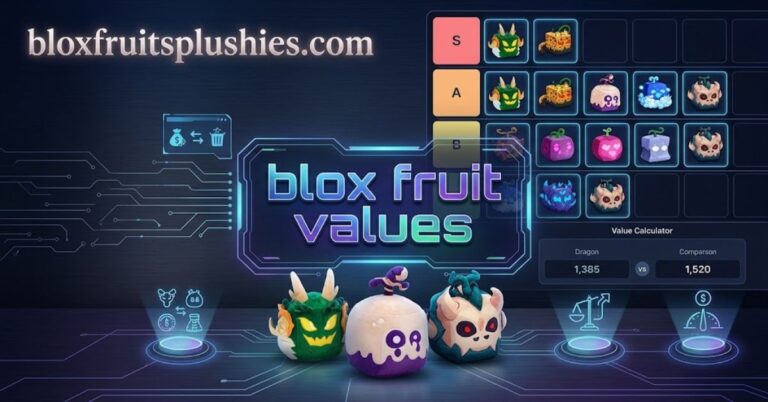
Values aren’t static — they shift with demand and game updates. If an item you’re offered is marked “Overpaid” while yours is marked “Stable,” you may be getting less real-world value than the raw numbers suggest. Blox Fruit Values
Tip: A calculator showing “Fair” on paper can still be a bad trade if one side’s value is inflated and likely to drop.
4. Re-Check Values After Major Game Updates
Big content updates can shift an entire fruit’s value overnight. For example, a Dragon rework update shifted values across the board for both dragon fruits — meaning anyone trading off old, memorized numbers got blindsided.
Tip: Never trust values you remember from a few weeks ago. Run every trade through a current calculator, especially right after an update.
5. Use the Win/Fair/Loss Verdict as a Guardrail, Not a Guess
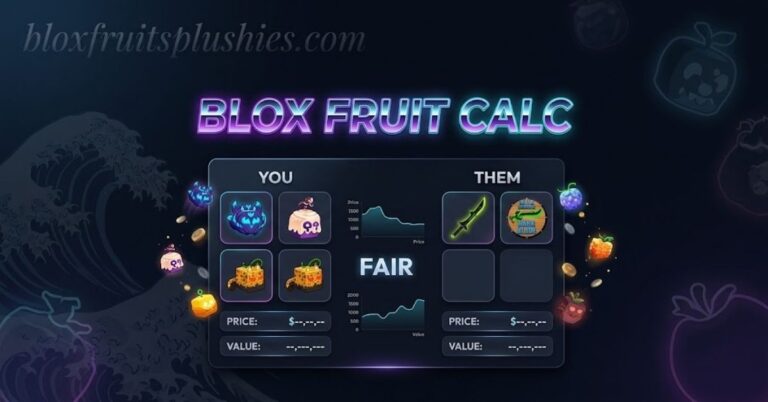
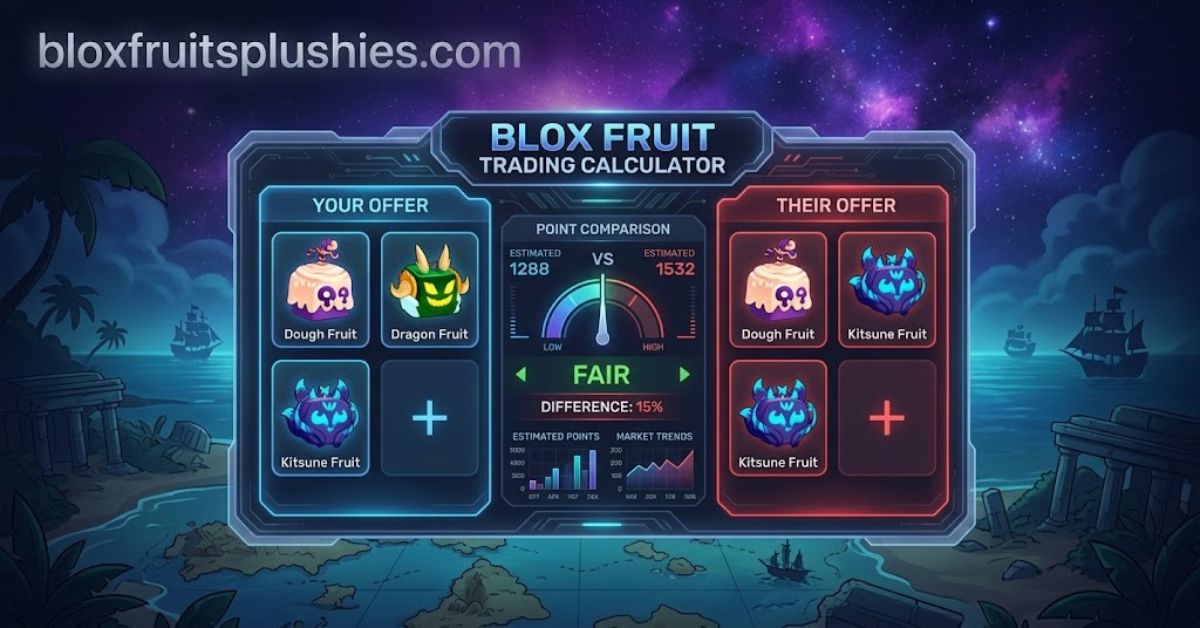
Most modern calculators give a direct verdict once you’ve added items to both sides, generally treating trades within about 10% of equal value as fair.
Tip: If a trade comes back as a clear “Loss,” don’t accept it just because the other person is pushing you to decide quickly — that pressure itself is a common scam tactic.
Real Example: How a Calculator Turned a Bad Trade Into a Good One
A trading friend of mine was offered what looked like a solid deal — his Mythical fruit for someone’s “rare” gamepass fruit. On paper, the rarities seemed close enough to accept immediately. But he ran it through a calculator first, and the verdict came back as a Loss by a wide margin — the other trader’s item had significantly lower current demand and had been trending down for weeks.
Instead of accepting, he countered by asking for a smaller item to be added to balance the trade. The other trader initially resisted, then agreed once he saw the same calculator numbers. What would have been a lopsided loss turned into an actual fair trade — because he checked the math instead of the vibe.
FAQs
Q1. What’s the difference between a fruit’s price and its trade value?
Price is what you pay the in-game dealer to buy the fruit directly, while trade value reflects what other players are actually willing to trade for it — these numbers are often very different.
Q2. How is a trade determined to be a Win, Loss, or Fair?
Most calculators compare the total value of both sides of the trade, generally treating anything within about 10% of equal value as fair, with anything outside that range marked a win or loss for one side.
Q3. Does demand really matter more than rarity in a trade?
Yes, in many cases. A lower-rarity item with high current demand can be easier to re-trade and hold more real trading power than a rare item few people are actively seeking.
Q4. Why do Permanent and Regular versions of the same fruit have such different values?
Permanent fruits stay in your inventory even after a Fruit Reset (Devil Fruit removal on death), making them significantly more valuable than the Regular version of the same fruit, which can be lost.
Q5. How often should I check trading values before making a trade?
Ideally before every single trade, especially right after game updates — values can shift significantly following reworks, new fruit releases, or demand spikes.
Conclusion + Call to Action
The biggest lesson from years of trading in Blox Fruits is simple: your gut feeling about a “good deal” is far less reliable than an actual calculator check. Rarity alone doesn’t determine value, Permanent and Regular fruits are not interchangeable, and demand can flip the entire outcome of a trade you thought was obviously fair.