Kitsune Fruit in Blox Fruits: Everything I Learned Grinding for This Mythical Fox
I spent about three weeks saving up beli for the Kitsune fruit, watching the Dealer’s rotating stock every single day, convinced I was chasing a fruit that was only good for flashy transformation effects. The moment I actually landed one and started using it, I realized I’d been completely wrong about what makes this fruit valuable. This guide covers everything worth knowing about the Kitsune fruit in Blox Fruits, based on how it actually performs once you own it, not just its reputation.
Quick Answer
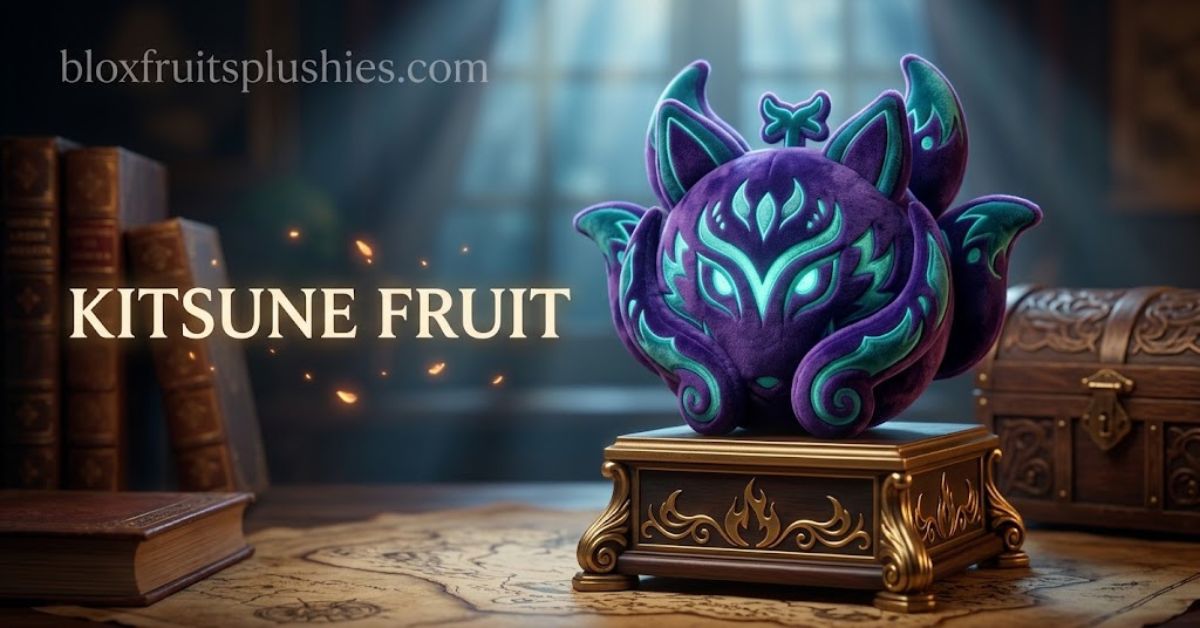
The Kitsune fruit is a Mythical, Beast-type Devil Fruit in Blox Fruits inspired by the nine-tailed fox of Japanese folklore. It costs 8,000,000 beli or 4,000 Robux from the Blox Fruit Dealer, transforms the user into a blue fire wielding fox creature, and ranks among the rarest and most valuable fruits in the game, useful for both grinding and PvP.
The Problem: Most Players Underestimate What the Kitsune Fruit Actually Does
Ask around about the Kitsune fruit and you’ll usually hear the same surface level description, a flashy fox transformation with blue fire attacks. That reputation creates a few misunderstandings that cost players time and beli:
- Assuming it’s purely a cosmetic flex fruit rather than a genuinely strong grinding option
- Not realizing it competes closely with top tier fruits like Buddha for efficient farming
- Underestimating how much its M1 attacks and mobility matter in actual combat
- Not knowing there’s more than one way to obtain the Kitsune fruit, some far less reliable than others
Treating the Kitsune fruit as just a cool looking transformation means missing why serious players actually grind for it.
My Experience Actually Grinding and Using the Kitsune Fruit
Once I finally had enough beli saved, I bought the Kitsune fruit directly from the Blox Fruit Dealer rather than gambling on the Gacha, since I didn’t want to risk losing my savings on a low probability roll. The moment I unlocked the transformation and tested it against a wave of enemies, the appeal became obvious. The blue fire attacks hit hard, the mobility while transformed felt noticeably faster than my previous fruit, and walking on water opened up areas I’d been avoiding entirely.
What surprised me most was how well the Kitsune fruit performed across all three seas. I’d expected a fruit this flashy to be a one trick PvP tool, but it turned out to be nearly as efficient for grinding as some of the game’s most respected farming fruits, while still holding its own in player versus player fights.
Kitsune Fruit Breakdown: Value, Abilities, and How to Get It (Solution and Tips)
1. What the Kitsune Fruit Actually Does
The Kitsune fruit lets you conjure and control blue fire for destructive attacks, and it lets you transform into the mythical Kitsune itself, a creature from Japanese folklore known for supernatural fox abilities. While transformed, you gain significant boosts to attack power and movement speed, along with the ability to walk across water.
Tip: Take time to practice the transformation’s movement before jumping into a real fight. The added speed and water walking take some getting used to compared to a standard fruit.
2. How Rare and Expensive the Kitsune Fruit Is
The Kitsune fruit consistently ranks among the rarest and most expensive fruits in the game, sitting near the top alongside a small handful of other Mythical fruits. That rarity is exactly why it holds strong trading value.
Tip: If you’re saving beli specifically for the Kitsune fruit, budget extra on top of the listed price, since Dealer stock timing means you may need to wait through several cycles before it appears.
3. How to Actually Obtain the Kitsune Fruit
There are multiple paths to getting the Kitsune fruit. The most reliable is buying it directly from the Blox Fruit Dealer for beli or Robux when it appears in rotation. A second, far less reliable method involves rolling fruits at the Gacha NPC, which carries a very low chance of landing this specific fruit. A third method involves offering Azure Embers at the Kitsune Shrine in the Third Sea, though this route has only a small chance of dropping a physical Kitsune fruit.
Tip: If you’re using Robux to buy the Kitsune fruit, it stores permanently in your inventory, whereas buying with in game currency gets replaced the moment you purchase a different fruit. Know which version applies before spending anything.
4. Why the Kitsune Fruit Is Strong for Grinding
Across all three seas, the Kitsune fruit performs close to some of the best dedicated farming fruits in the game, largely thanks to its wide area attacks and mobility. For players trying to level up efficiently, that combination is a genuine advantage over flashier fruits that trade damage for style.
Tip: Use the Kitsune fruit’s fire based attacks against grouped enemies rather than one target at a time, since its damage spreads effectively across multiple nearby targets.
5. Where the Kitsune Fruit Falls Short
The Kitsune fruit isn’t flawless. Its base M1 attacks can be weaker depending on your fruit stat investment, and the inability to stand still on water makes certain sea events and raid encounters more awkward to handle than with land based fruits.
Tip: Pair the Kitsune fruit with a strong sword or gun build to cover the M1 damage gap, rather than relying on fruit skills alone for every situation.
Real Example: How Timing Changed the Value of My Trade
A friend in my crew offered to trade his Kitsune fruit for two lower tier mythicals right before he found out the Dealer’s stock cycle was shifting in a way that would make Kitsune harder to buy directly for a while. At the time, the trade looked roughly even to both of us based on standard value charts.
Within a couple of weeks, as Kitsune became noticeably harder to obtain through the Dealer, its trading value climbed enough that the deal quietly became a clear win for whoever ended up holding the fruit. The lesson wasn’t that the Kitsune fruit is secretly undervalued. It was that rarity driven fruits like this one can shift in value fast based on how accessible they currently are, not just their raw combat stats.
Conclusion
The Kitsune fruit earns its reputation as one of Blox Fruits’ most sought after Mythicals for good reason, combining strong grinding efficiency, solid PvP performance, and a genuinely striking fox transformation. It isn’t without weaknesses, but for players willing to save up or trade for it, it holds up as one of the more well rounded fruits in the game.
FAQs
Q1. Is the Kitsune fruit good for beginners?
It works better for players who are already past the early grinding stages, since its cost is high and its combat style rewards players who already understand fruit stat builds and combo timing.
Q2. Is the Kitsune fruit better for PvE or PvP?
The Kitsune fruit performs strongly in both. It’s efficient for grinding across all three seas thanks to its wide fire attacks, and its speed and damage output also hold up well in player versus player combat.
Q3. How much does the Kitsune fruit cost?
It typically costs 8,000,000 beli or 4,000 Robux from the Blox Fruit Dealer, though pricing can shift slightly with game updates, so it’s worth checking current in game listings before buying.
Q4. What’s the fastest way to get the Kitsune fruit?
Buying directly from the Blox Fruit Dealer when it’s in stock is the most reliable method. Gacha rolls and Azure Ember offerings at the Kitsune Shrine both carry much lower odds and shouldn’t be relied on as a primary strategy.
Q5. Does the Kitsune fruit have any real weaknesses?
Yes, its base M1 attacks can be weaker than other top tier fruits, and not being able to stand still on water makes certain raids and sea events trickier to manage.