Mammoth Fruit in Blox Fruits: Everything You Need to Know Before You Grind or Trade for It
I picked up the Mammoth Fruit mostly by accident, buying it off the Blox Fruit Dealer without really researching it first, expecting it to be a decent but unremarkable pickup. A few grinding sessions later, I realized I’d underestimated it completely. This guide covers everything I’ve learned about the Mammoth Fruit since then, from how to actually get it to how it performs in real PvE and PvP situations.
Quick Answer
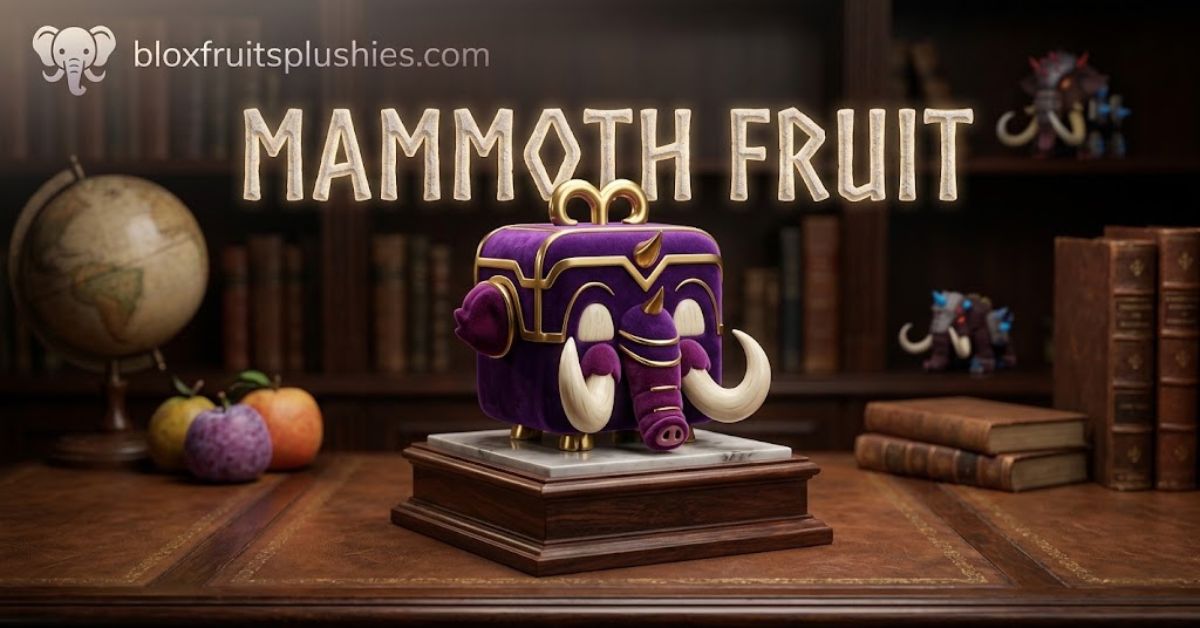
The Mammoth Fruit is a Mythical Beast-type Blox Fruit that transforms the user into an armored mammoth, offering strong area-of-effect damage, heavy damage reduction, and reliable crowd control. It’s purchasable from the Blox Fruit Dealer for 2,700,000 Beli or 2,350 Robux, and it’s widely considered one of the better choices for grinding, raids, and sea events, with solid PvP potential as well.
The Problem: Fruit Guides for the Mammoth Fruit Often Contradict Each Other
If you’ve searched for Mammoth Fruit information before, you’ve probably noticed the numbers don’t always line up between sources. Common issues players run into:
- Trade value trackers listing wildly different numbers for the same fruit, sometimes off by millions
- Guides that describe an older moveset without accounting for recent balance changes
- Confusion between the regular version and the permanent Robux version, which are priced completely differently
- Outdated demand ratings that don’t reflect how the fruit currently performs after patches
Because Blox Fruits gets updated often, treating any single Mammoth Fruit guide, including this one, as permanently accurate is a mistake. Always check current in game data before making a big decision.
My Experience Actually Using the Mammoth Fruit
Once I started using the Mammoth Fruit seriously, its strength became obvious fast. The transformation itself is the whole identity of this fruit, and once I was in mammoth form, clearing groups of enemies felt noticeably easier than it had with fruits that rely on lining up precise single target hits.
What surprised me most was how well the Mammoth Fruit held up defensively. I went into a raid expecting to play cautiously, the way I usually did with squishier fruits, and instead found myself tanking hits that would have forced a retreat with almost anything else in my arsenal. That damage reduction while transformed changed how I approached fights entirely, letting me stay aggressive instead of constantly repositioning to avoid damage.
Getting the Most Out of the Mammoth Fruit (Solution + Tips)
1. How to Actually Get the Mammoth Fruit
The most reliable way to get the Mammoth Fruit is purchasing it from the Blox Fruit Dealer, an NPC found across multiple islands in all three seas, for 2,700,000 Beli or 2,350 Robux. It can also occasionally be found as a random world spawn, obtained through the Blox Fruits Gacha, or acquired through trading.
Tip: If you’re buying with Beli, remember the Mammoth Fruit will be replaced if you pick up a different fruit later. Buying with Robux keeps it permanently in your inventory, which matters if you plan to main it long term.
2. Understanding the Transformation
The core of the Mammoth Fruit is its transformation into an armored mammoth, which comes with significant damage reduction and wide area attacks. Unlike fruits that require managing a limited meter, the Mammoth Fruit’s transformation can reportedly be held for extended periods, especially useful when paired with certain race combinations.
Tip: Lean into staying transformed during grinding sessions rather than switching in and out. The Mammoth Fruit’s value comes largely from sustained tankiness, not quick burst damage.
3. Best Use Cases: Grinding, Raids, and Sea Events
The Mammoth Fruit consistently comes up as a strong pick for Sea Events and raids specifically, thanks to its combination of high defense and wide-reaching attacks. Its F move, often described as a stampede style ability, lets players deal continuous area damage while tanking incoming hits.
Tip: If your main goal is efficient grinding rather than PvP, the Mammoth Fruit is worth prioritizing over flashier, lower survivability fruits, since staying alive through long fights matters more than raw burst.
4. PvP Performance and Matchups
While the Mammoth Fruit isn’t primarily built for burst damage the way some PvP focused fruits are, it holds up as a genuine counter to certain popular fruits, thanks to its tankiness and crowd control. It trades raw single target damage for survivability and area control, which can be a real advantage in prolonged fights.
Tip: Against opponents who rely on hit and run tactics, the Mammoth Fruit’s sustained damage reduction can outlast their burst, so don’t count it out in PvP just because it isn’t the flashiest option available.
5. Trade Value: Why the Numbers Vary So Much
This is where the Mammoth Fruit gets genuinely confusing for newer traders. Different value trackers currently list very different numbers, some placing its regular trade value in the single digit millions, others listing it significantly higher, alongside a much larger permanent value tied to Robux purchases.
Tip: Never rely on a single value source for a trade involving the Mammoth Fruit. Always confirm whether a listed price refers to the regular, tradeable version or the permanent, account locked version, since mixing these up is one of the most common trading mistakes in Blox Fruits.
Real Example: How Awakening Changed the Fruit’s Value in a Trade
A player in my crew held onto a Mammoth Fruit for weeks without leveling it much, assuming its base form was all it had to offer. After finally pushing it to the level required for awakening, and completing the unlock requirements involving a specific boss fight, the fruit’s combat performance jumped noticeably, and so did interest from other traders once word got around in our group.
What had looked like a fairly average trade offer before suddenly became something other players were actively competing for. The lesson was clear: judging the Mammoth Fruit purely by its base, unawakened form undersells what it’s actually capable of once properly invested in.
Frequently Asked Questions
Q1. Is the Mammoth Fruit good for beginners?
It can work well past the very early game, since its transformation offers strong survivability, but brand new players may find fruits with simpler mechanics easier to pick up first before moving to the Mammoth Fruit.
Q2. Is the Mammoth Fruit better for PvE or PvP?
It’s widely regarded as excellent for PvE content like grinding, raids, and sea events, and it’s also a genuinely competitive option in PvP thanks to its tankiness and crowd control, even though it isn’t primarily a burst damage fruit.
Q3. How much does the Mammoth Fruit cost?
It can be purchased from the Blox Fruit Dealer for 2,700,000 Beli or 2,350 Robux, with the Robux version staying permanently in your inventory.
Q4. Why do trade value trackers show different numbers for the Mammoth Fruit?
Different trackers use different data sources and update on different schedules, and some may conflate the regular tradeable version with the much higher valued permanent version, which explains the significant discrepancies.
Q5. Is the Mammoth Fruit worth awakening?
Based on how noticeably the fruit’s performance improves post-awakening, it’s generally considered worth the investment if you plan to use it as a main fruit long term, though it does require meeting specific level and quest requirements first.
Conclusion
The Mammoth Fruit earns its reputation through survivability rather than flashy burst damage, making it one of the more dependable picks for grinding, raids, and sea events, with real PvP relevance once you understand how to use its transformation properly. Its trading numbers are genuinely inconsistent across sources, which makes careful verification more important than usual before making any trade decisions.